Ready To Sell Artifacts?
 Ready To Sell Artifacts?
High-End Artifact Auction - Native American & Pre-Columbian
Lot 235:
Description
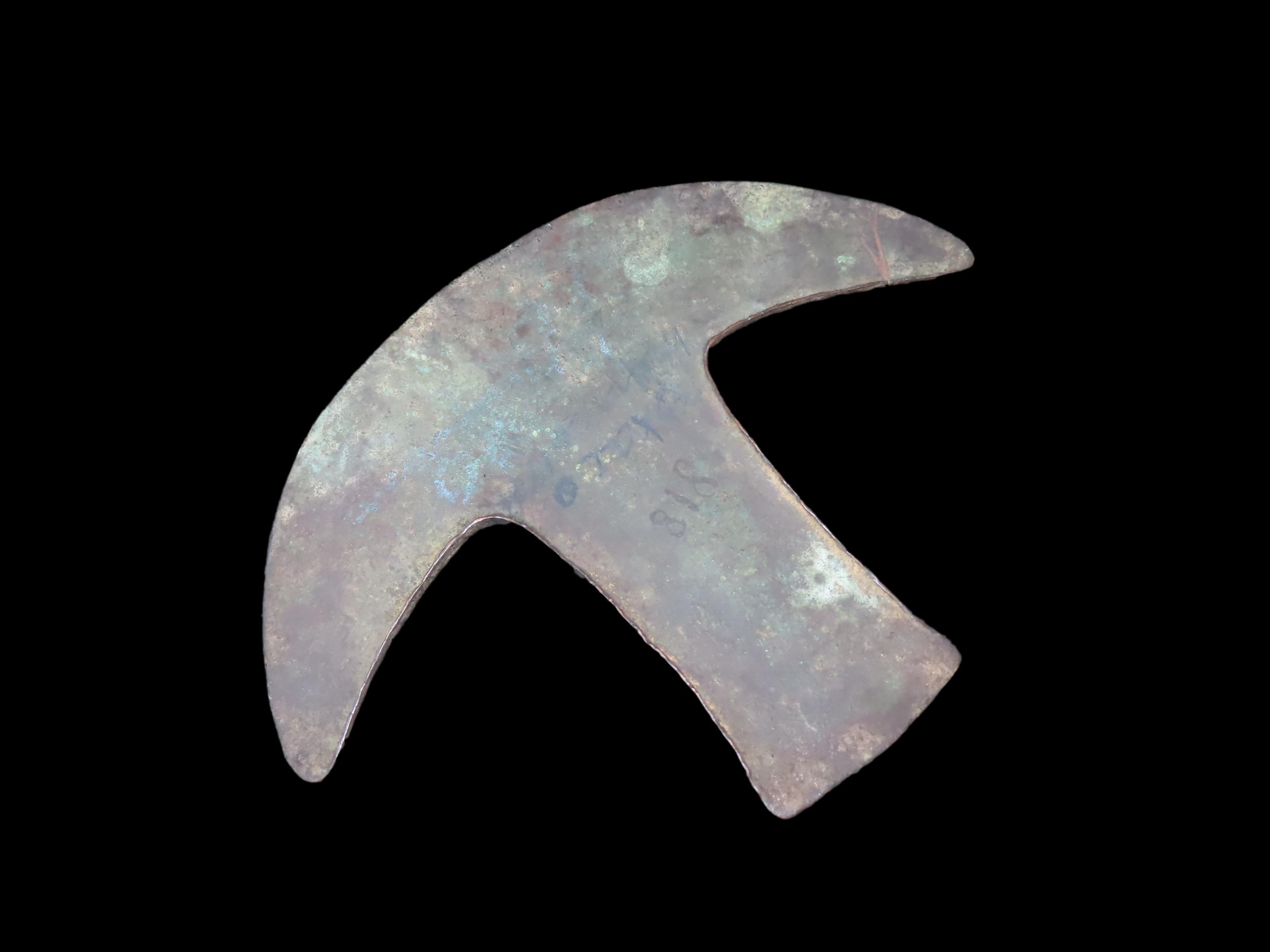
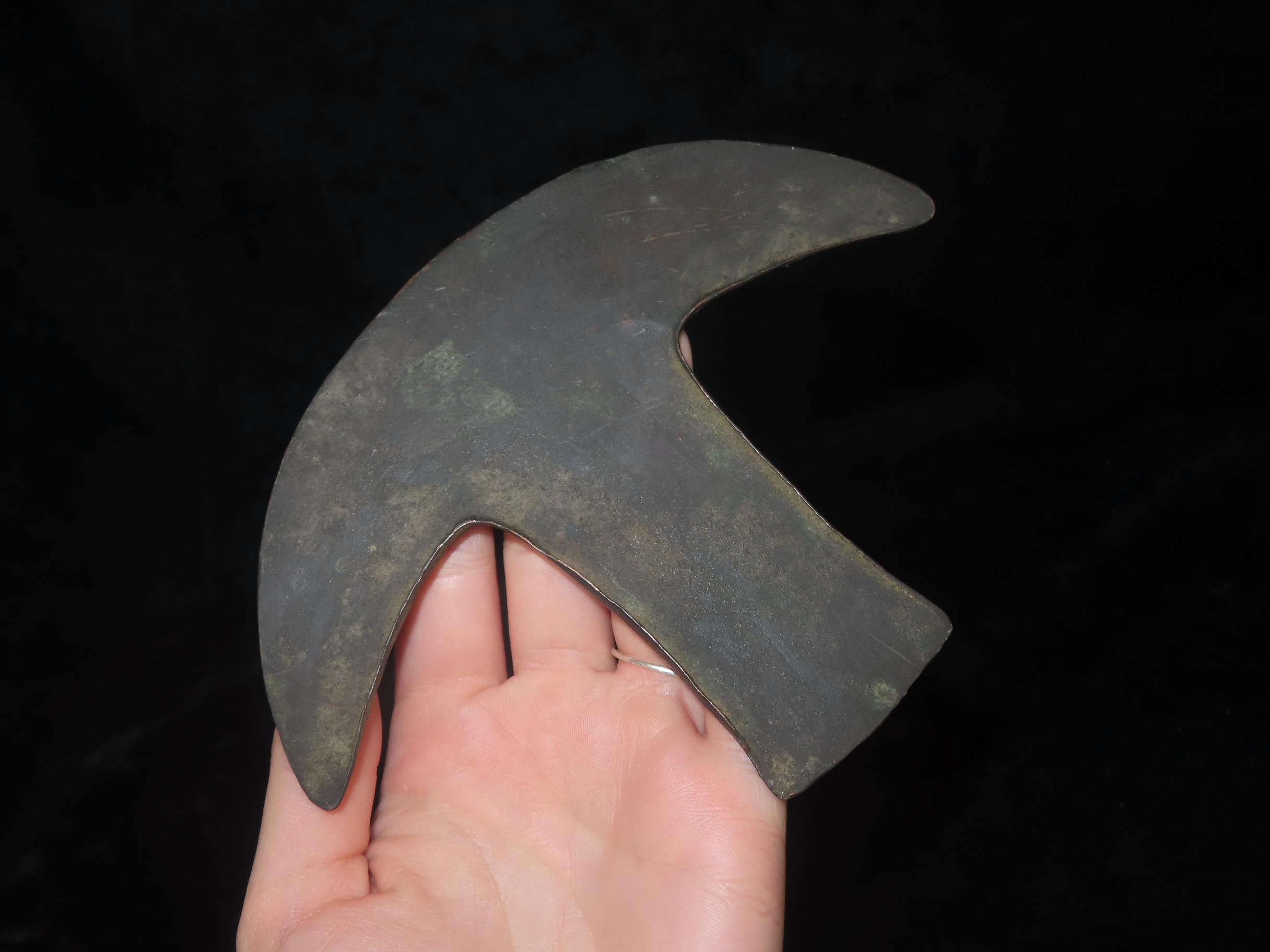
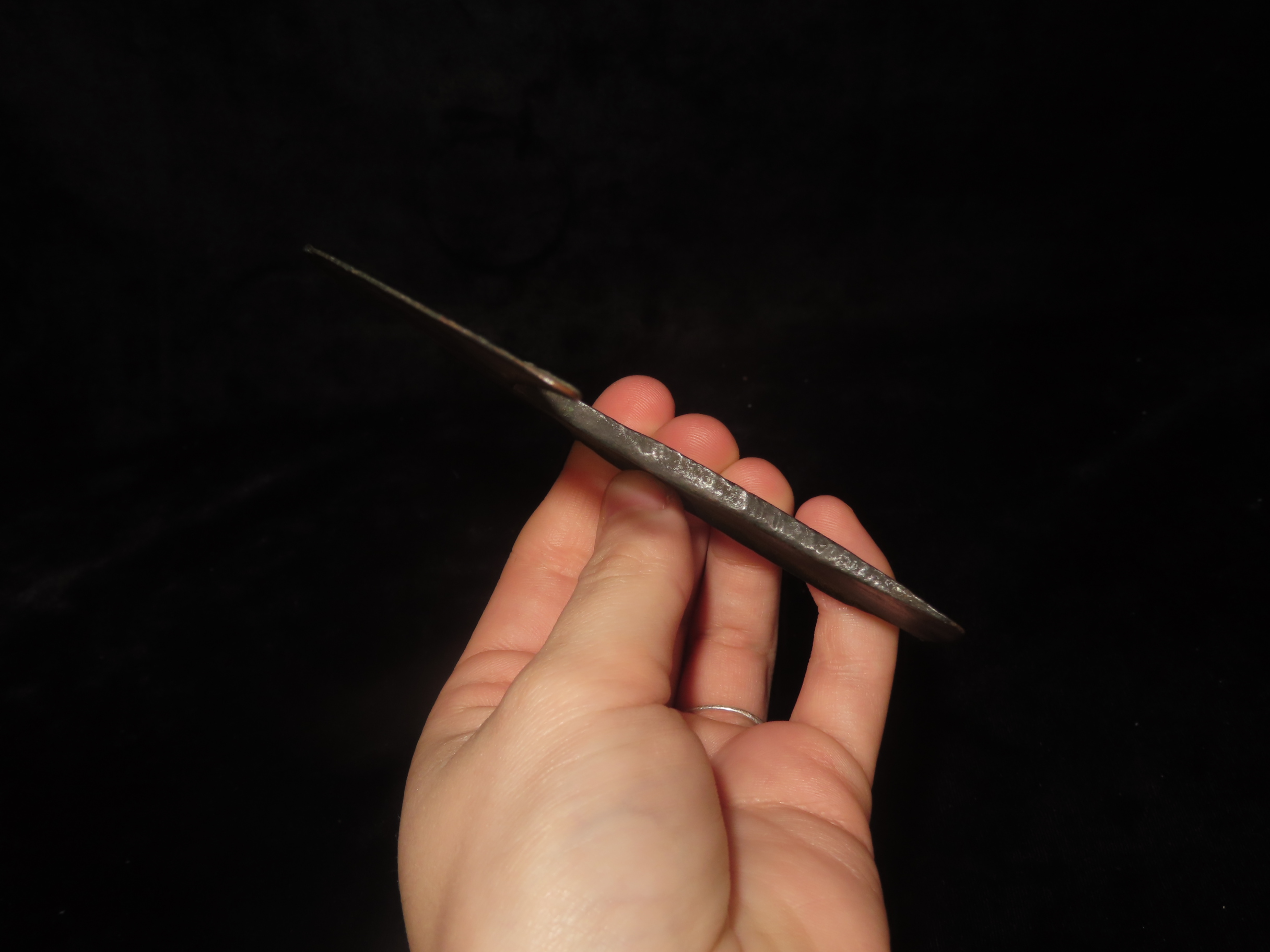
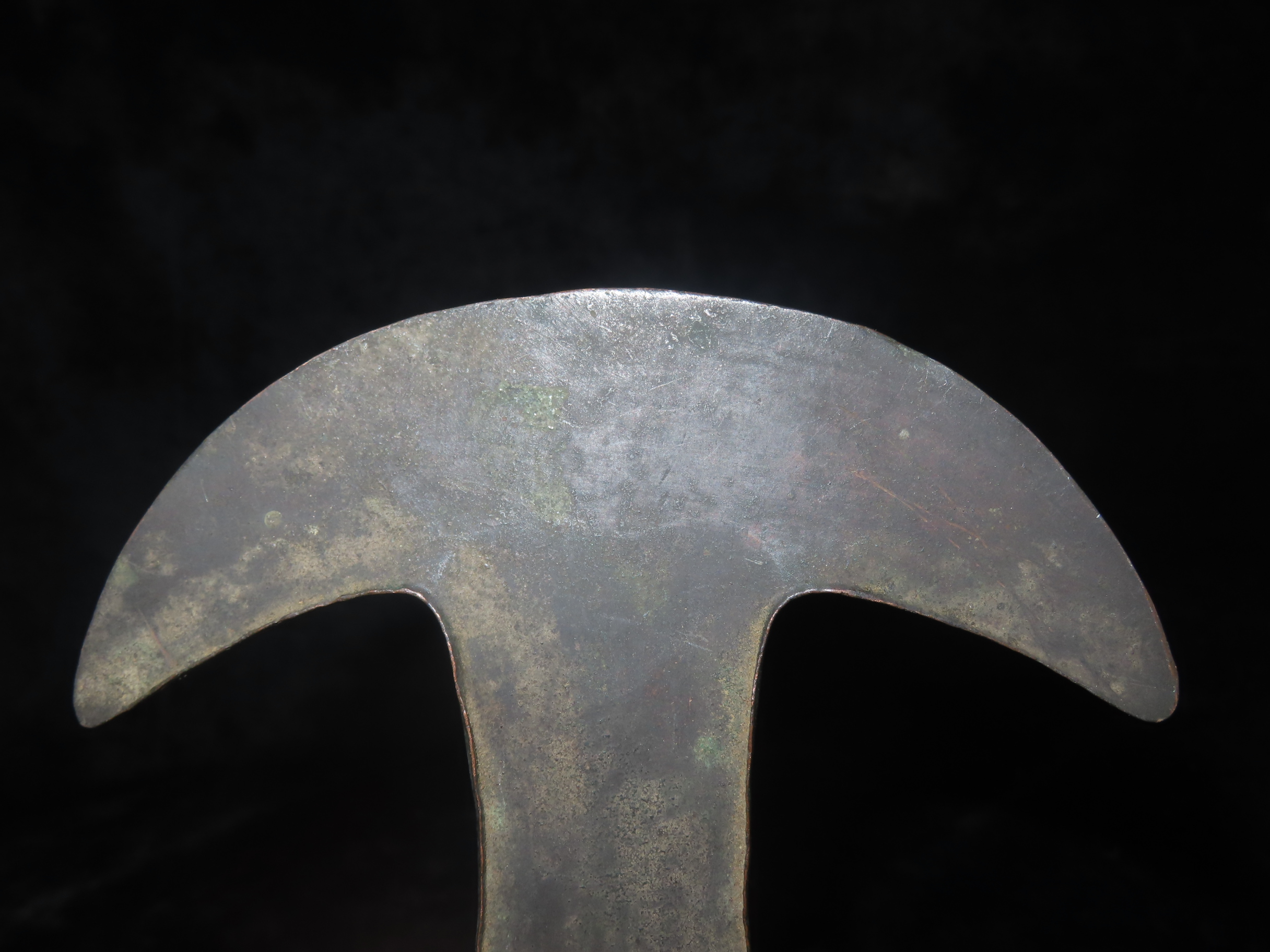
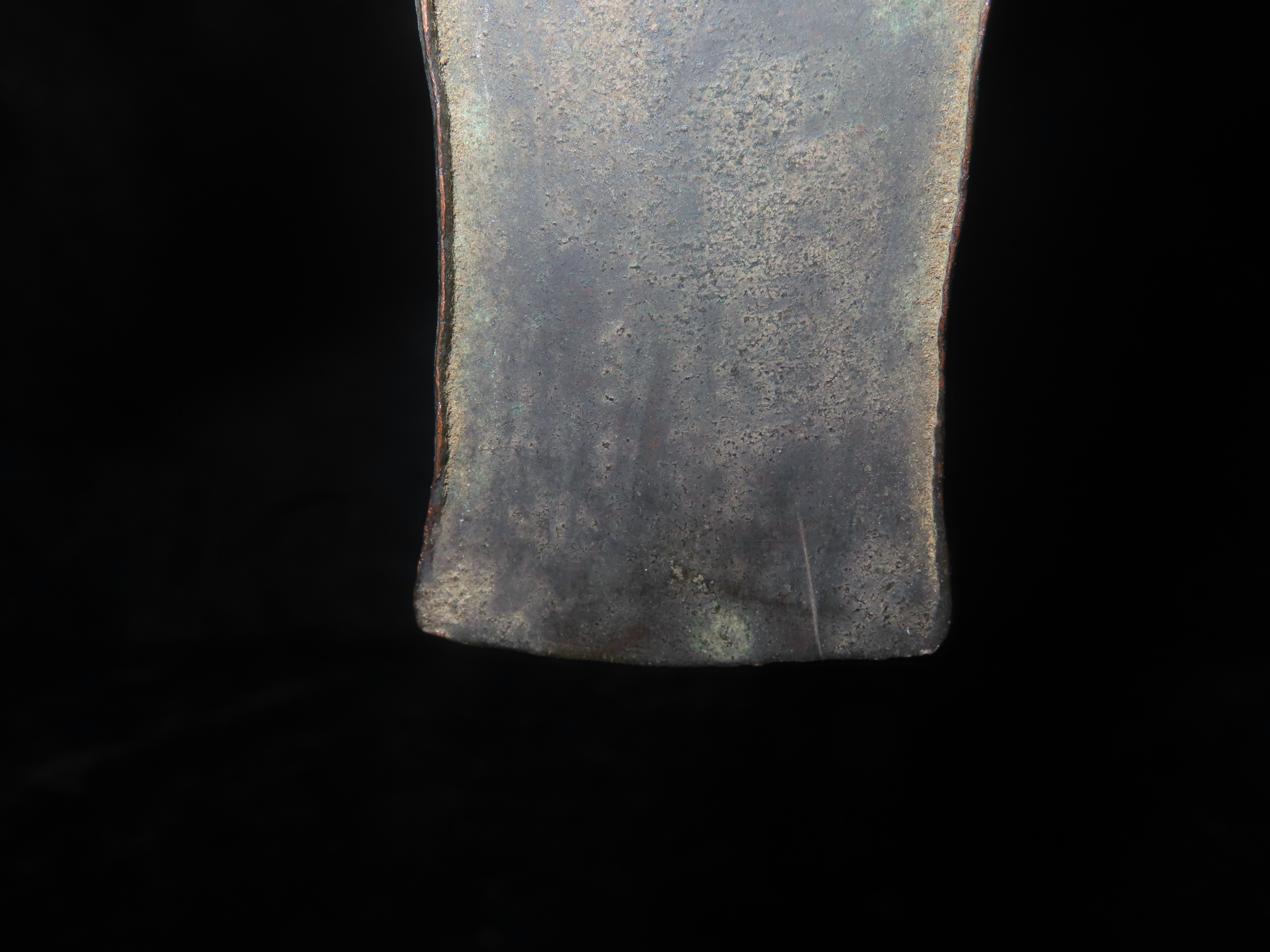
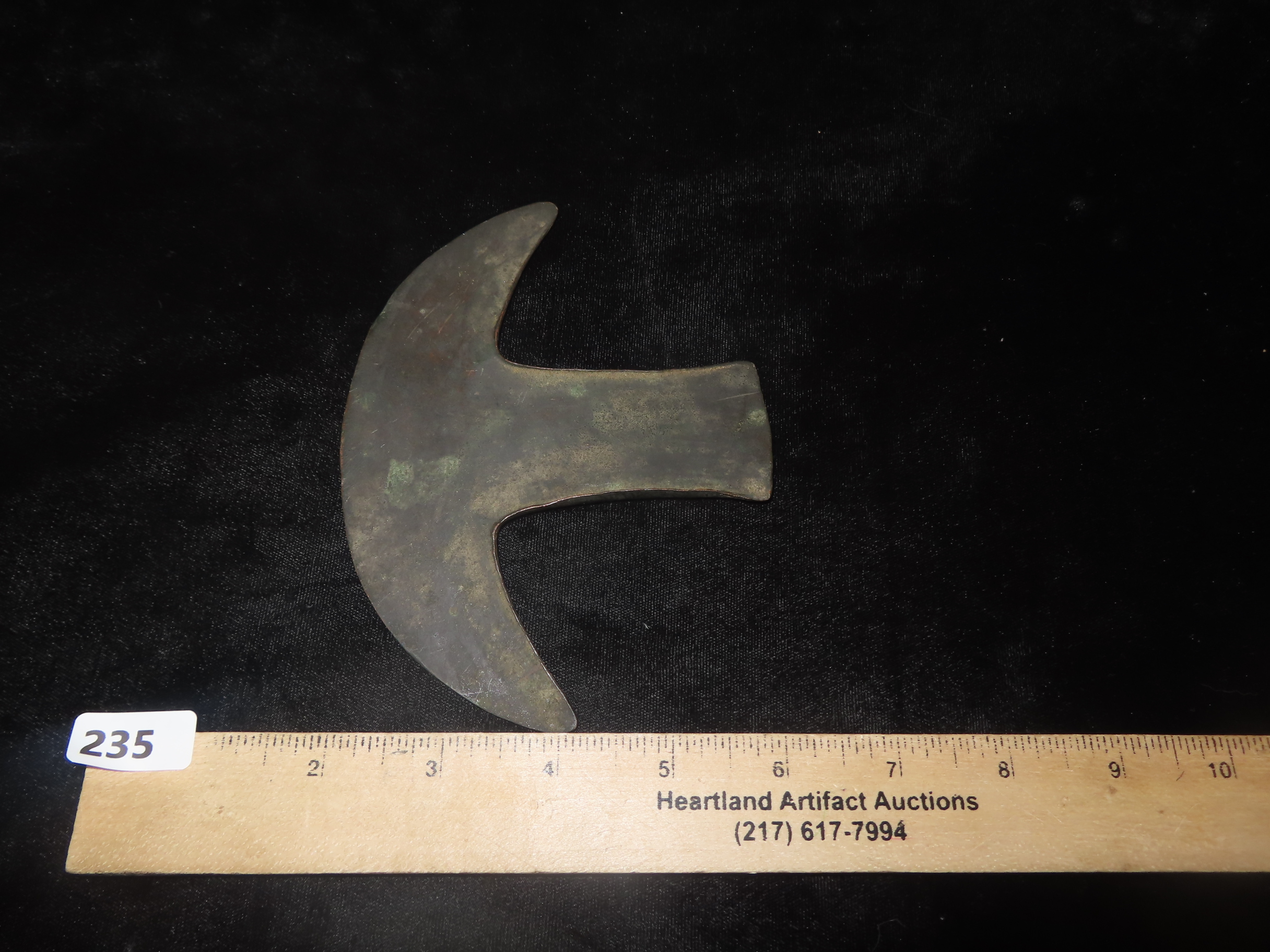
4 5/16″ X 5 3/4″ Pre-Columbian Copper Tajadero -“Axe Money”, from coastal Ecuador, dating between 800 and 1500 CE. Hammered from native copper, this thin, flared blade-shaped form, often called “axe-money,” served not as a tool but as ceremonial currency. This piece reflects the advanced metallurgical tradition of ancient Ecuadorian societies. Tajaderos were used in trade, tribute, and ritual offerings and circulated widely throughout the region, eventually influencing Mesoamerican cultures through long-distance coastal trade. This well-preserved example offers a direct connection to the economic and ceremonial life of the ancient Andes. Aztec hoe or axe money was a standardized form of currency that had a defined value of 8,000 cacao seeds – the other common unit of exchange in Mesoamerica. These were hammered out of copper beaten to thin sheets. The edges of the body of the axe has been hammered flat for comfort in handling, while the blade remains sharp.
Share this lot: